Electricity from sun and wind does not always arrive when it is needed. Reversible solid oxide cells (rSOC) — ceramic devices that can work both as an electrolyser, turning surplus electricity into hydrogen, and as a fuel cell, turning hydrogen or natural gas back into electricity — can help balance the grid around the clock.
This is the goal of 24/7 ZEN (Reversible SOEC/SOFC system for a zero-emission network energy system), a Horizon Europe project supported by the Clean Hydrogen Partnership and coordinated by IREC. Launched in February 2023, it brings together 14 partners from academia, research and industry — from materials scientists to a stack manufacturer, a gas transmission operator and a certification body.
About the project
The project’s target is a 33/100 kW rSOC power-balancing plant. In fuel cell mode it supplies up to 33 kW of electricity from hydrogen, natural gas or their blends; in electrolysis mode it absorbs up to 100 kW of surplus electricity and stores it as hydrogen. The plant is designed to work with both the electricity and the gas grids, as a step towards multi-megawatt installations.
The goals set at the start were ambitious: switching between the two modes in less than 30 minutes; a round-trip efficiency of 45% (the share of electricity recovered after storing it as hydrogen); cells running at 1.5 A/cm² in both modes, losing only 0.4% of performance every 1,000 hours; and a cut in capital cost from €6,000 to €3,500 per kW.
Besides coordinating the project, our group led the definition of the system requirements and the work on cell materials and components: better electrodes, protective barrier layers and interconnect coatings, made with scalable manufacturing methods.
Final General Assembly – 10 November
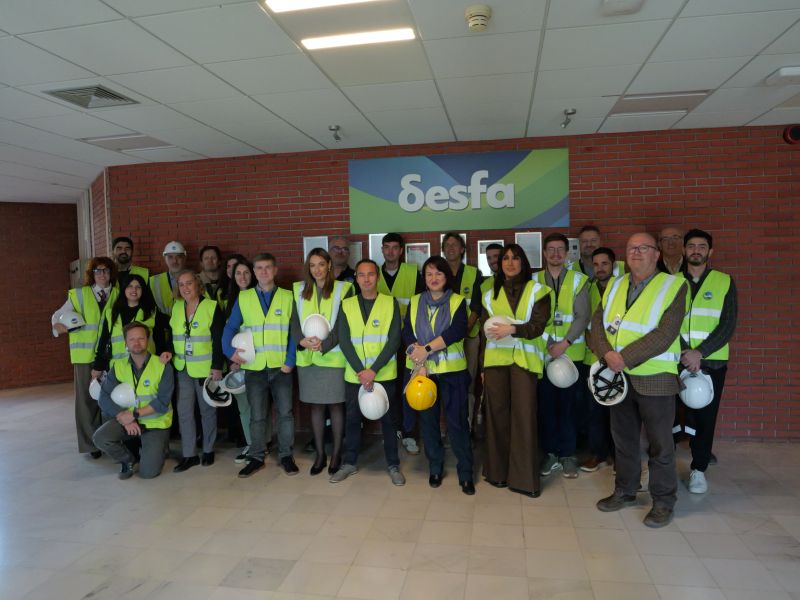
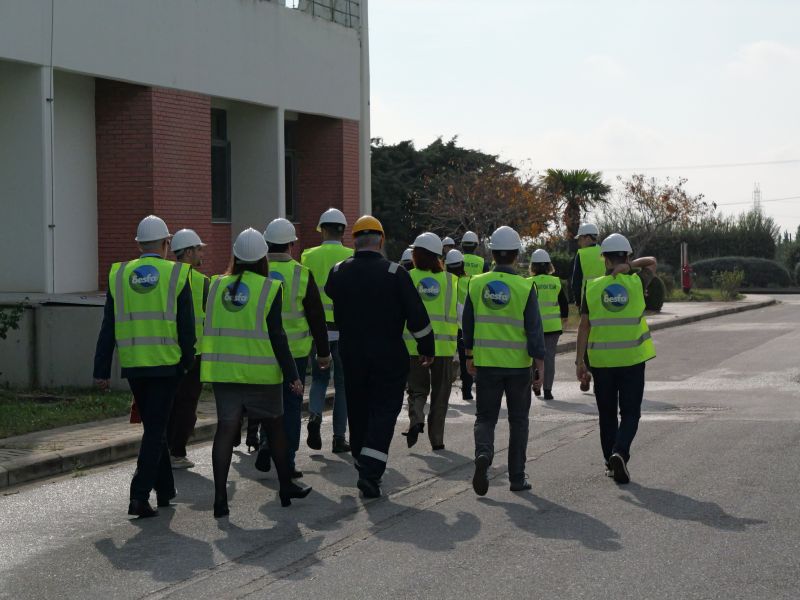
On 10–11 November 2026 the consortium met in Thessaloniki to close the project. Our group was represented by Marc Torrell, coordinator of 24/7 ZEN, and Lucile Bernadet. The Final General Assembly, hosted by gas transmission operator DESFA in Nea Mesimvria, started with a technical visit to DESFA’s facilities. Partners then reviewed the project’s progress, with particular attention to the integration and operation of the rSOC system at CERTH and the next steps towards its commissioning.
Final Event “Hydrogen Pathways” – 11 November
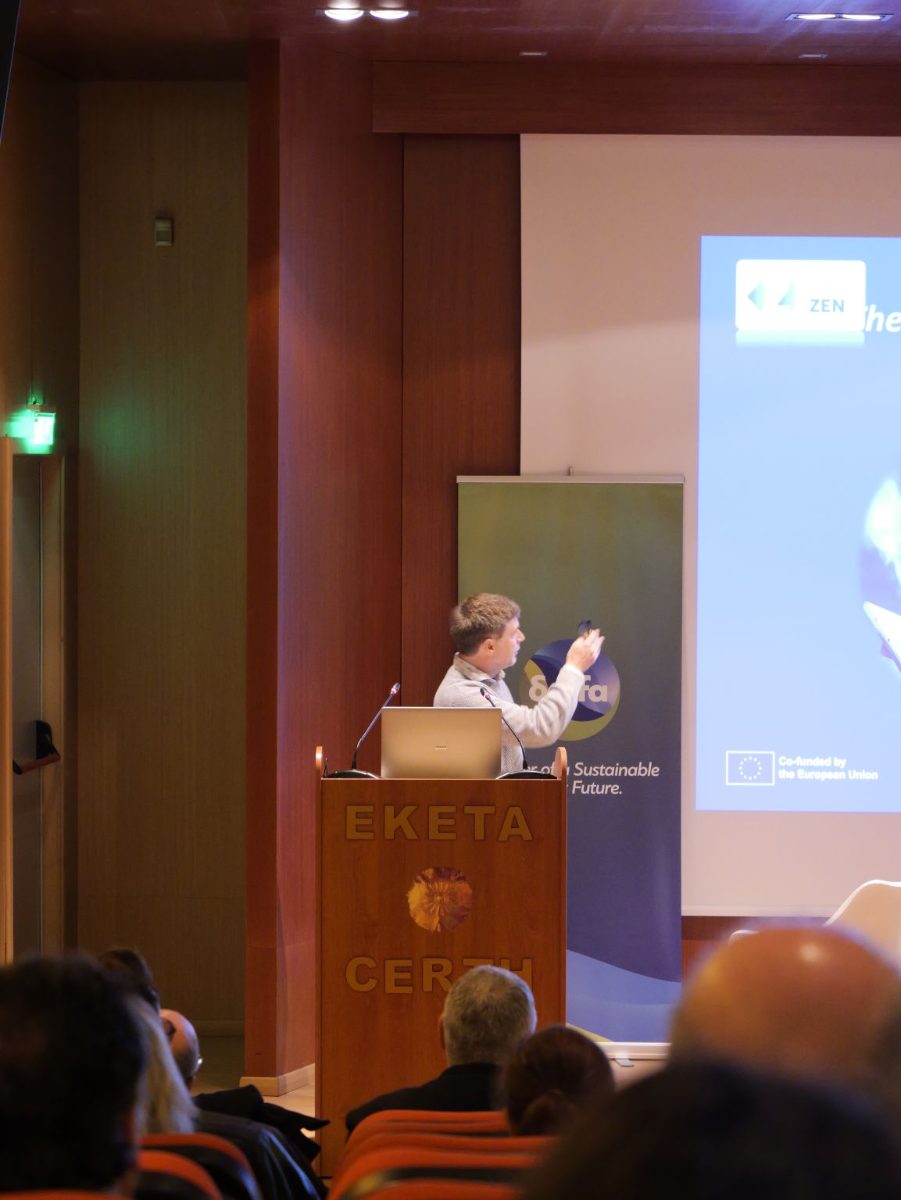
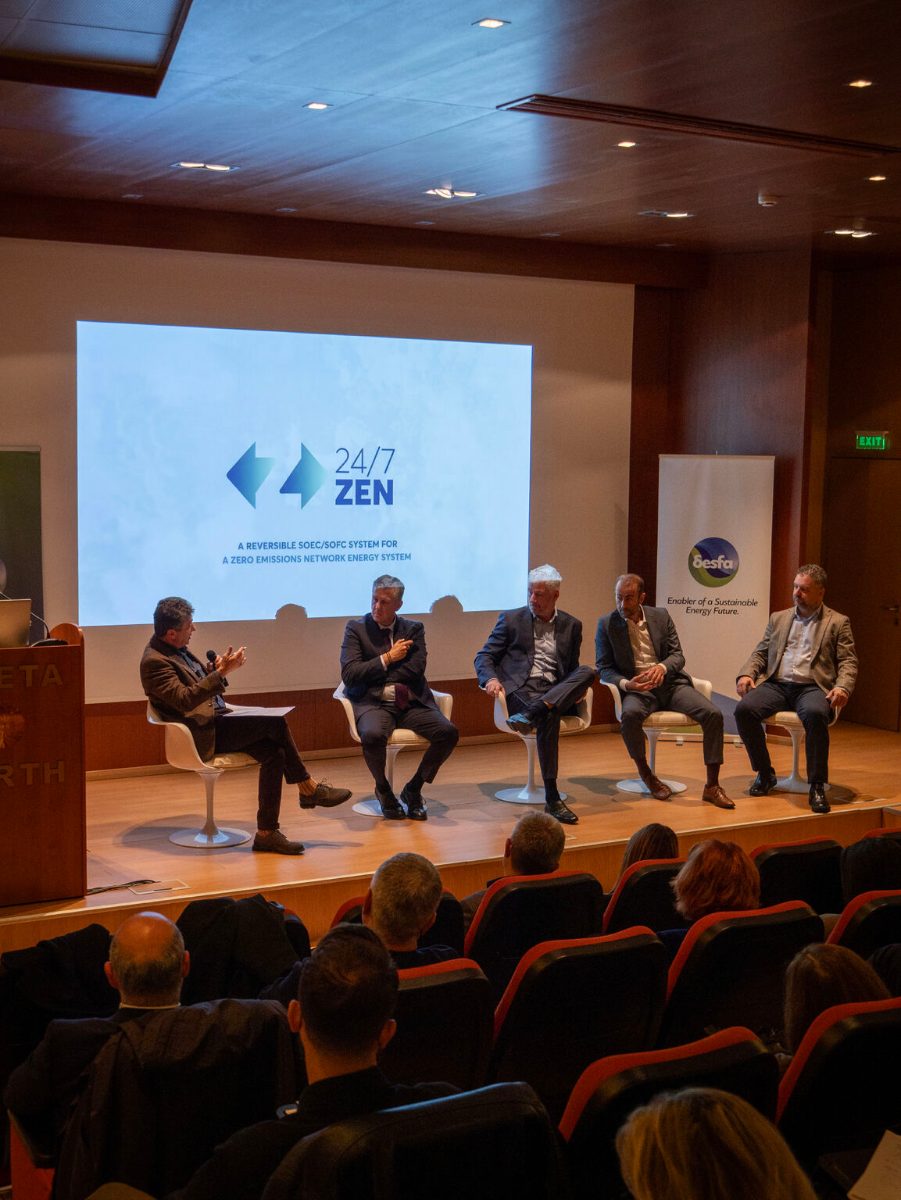
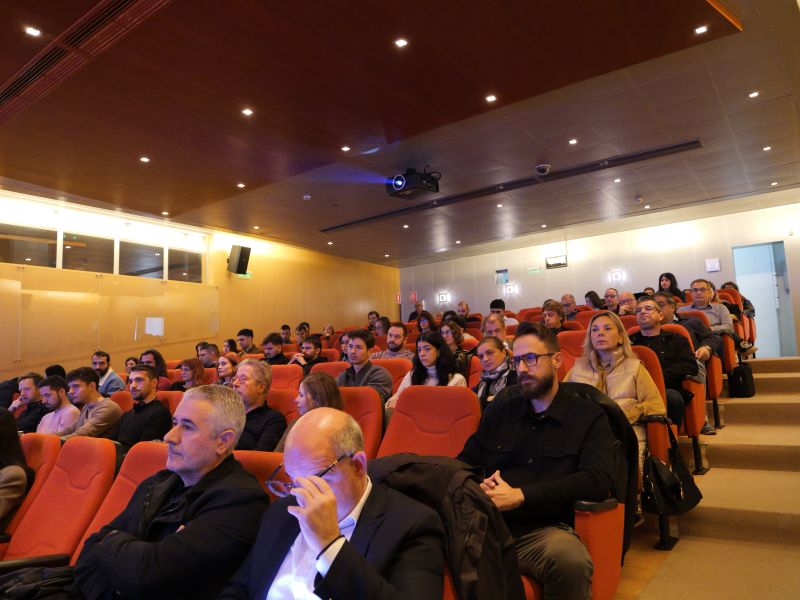
The next day, CERTH hosted the Final Event, “Hydrogen Pathways: Hydrogen for a 24/7 Zero-Emission Energy System”, organised jointly with the Greek–German project HyPathGR and supported by DESFA. The event was attended by Stavros Kalafatis, Greek Deputy Minister of Development.
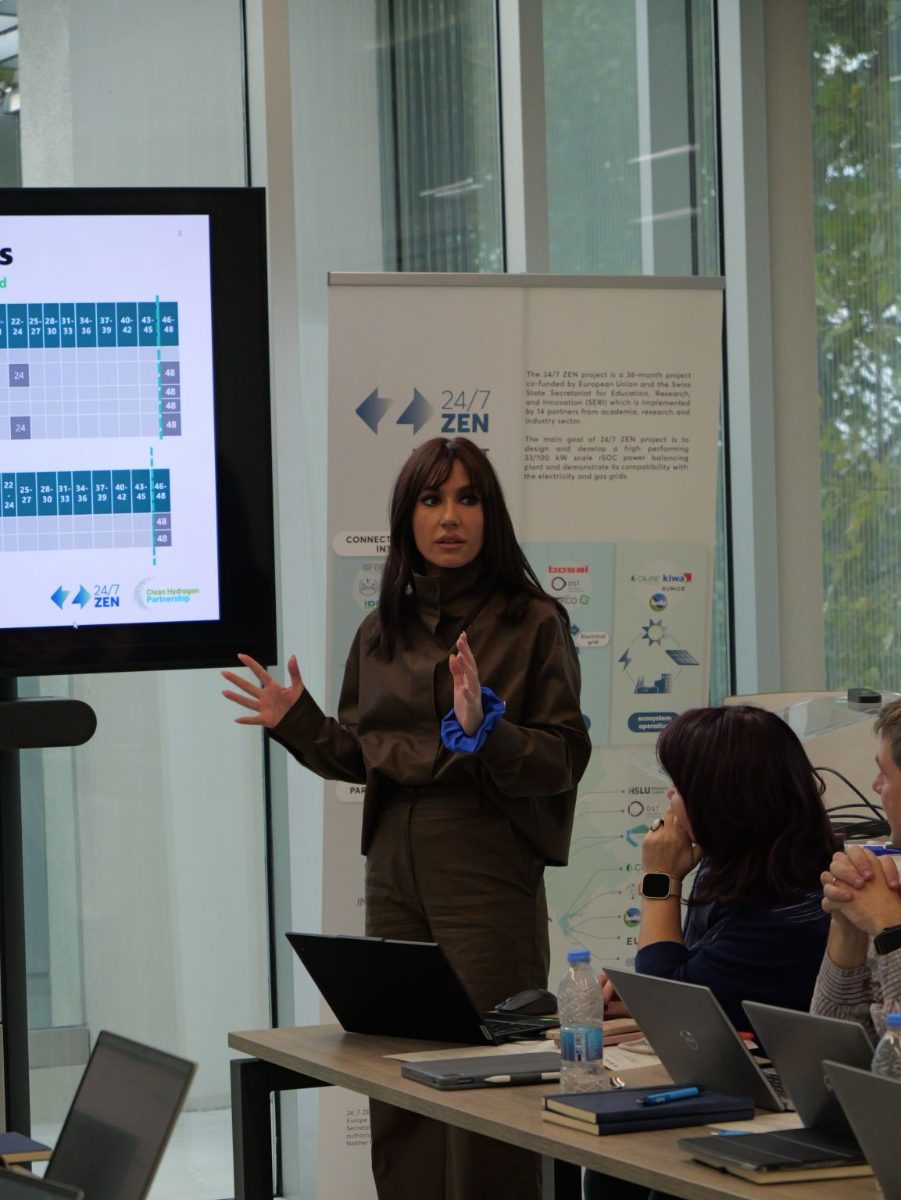
- Marc Torrell (IREC), coordinator of 24/7 ZEN, presented the project’s objectives, progress and main results.
- Panagiotis Grammelis (CERTH) presented CERTH’s Hydrogen Innovation Hub in Western Macedonia.
- A panel discussion, “From Production to Application – Hydrogen Pathways”, brought together DESFA, Motor Oil Group, Hellenic Hydrogen and the Cluster of Bioeconomy and Environment of Western Macedonia (CluBE) to discuss the hydrogen market and the challenges of scaling up.
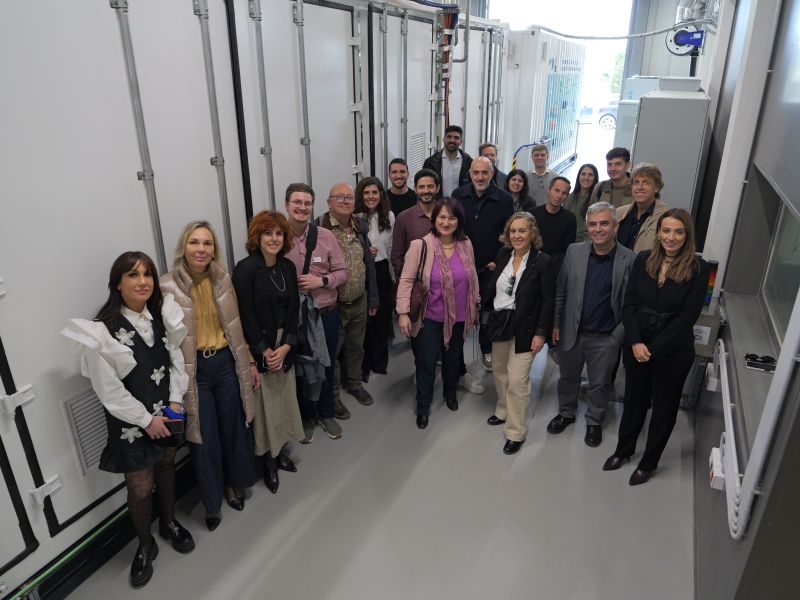
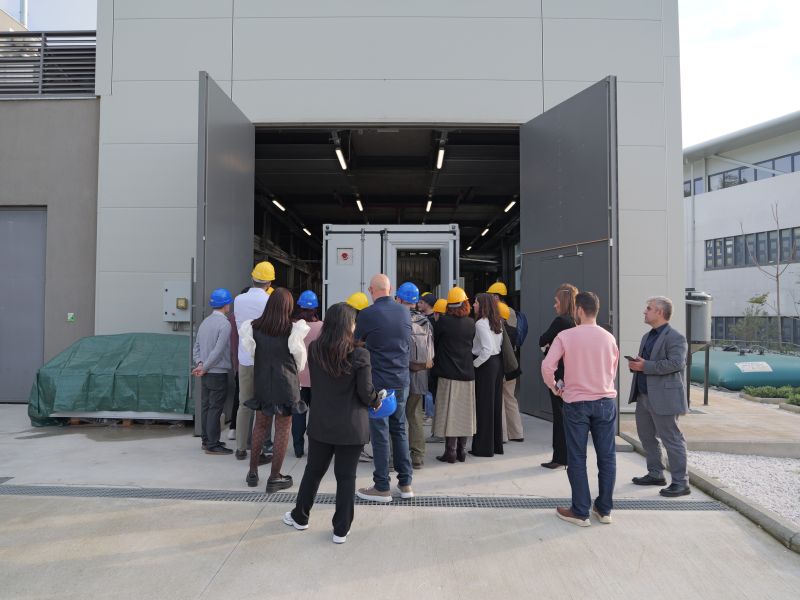
The day ended with a visit to the 24/7 ZEN demonstration installation at CERTH, where participants saw the rSOC power-balancing system developed in the project.
Looking back: from materials to a working plant
In almost four years, 24/7 ZEN has gone all the way from materials to a complete system. Work on cells and components fed into a compact rSOC module and a containerised system that combines the stacks with gas conditioning, water treatment, heat management and grid connection. The system was assembled and passed its factory acceptance tests in Seville, arrived at CERTH in July 2026, and was presented there in September 2026 at the launch of energo, the Stavros Niarchos Foundation hub for sustainable energy research.
Along the way, the European Commission’s Innovation Radar recognised eight innovations from the project (March 2025), including optimised barrier layers developed by SolydEra and IREC, a plug-and-play rSOC system and a high-efficiency compact rSOC module. Partners published scientific papers on topics from electrode kinetics and fuel cell modelling to barrier layers for solid oxide cells, and shared their results at conferences, workshops and a postgraduate lecture series.
Perhaps the most valuable outcome is less visible: a consortium spanning the whole value chain — materials, stacks, systems, grid operators and quality assurance — that has learnt to work together on a real installation. Taking a reversible solid oxide system from the laboratory to a grid-connected site is what turns a promising technology into a credible option for the energy system.
What comes next
The final months of the project, which ends in January 2027, focus on commissioning and operating the plant at CERTH, and on a techno-economic analysis of rSOC for grid balancing and green hydrogen supply. The experience gained feeds directly into our research on ceramic fuel cells. More on the 24/7 ZEN website.
Photo gallery
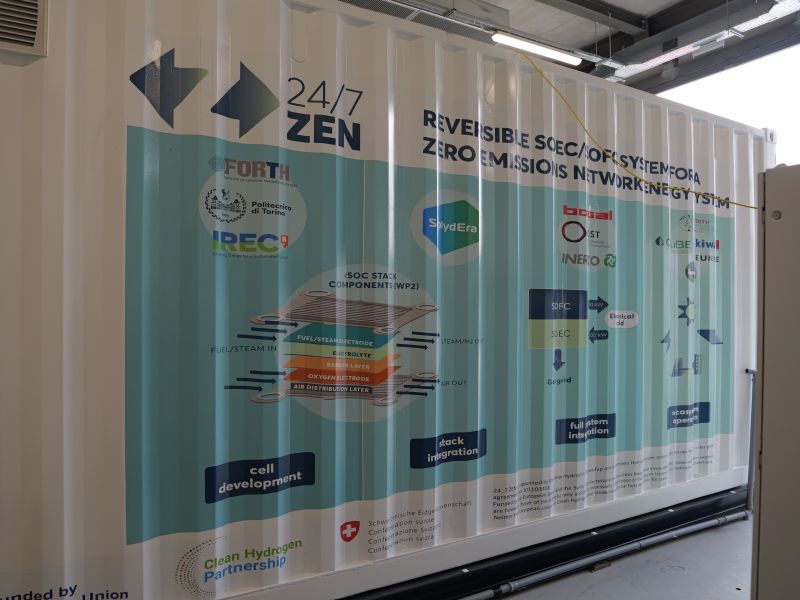
Photos: 24/7 ZEN Project. More on the project’s LinkedIn page.
The 24/7 ZEN project is supported by the Clean Hydrogen Partnership and its members, under the European Union’s Horizon Europe programme, grant agreement No 101101418. Views and opinions expressed are those of the author(s) only and do not necessarily reflect those of the European Union or the Clean Hydrogen Partnership. Neither the European Union nor the granting authority can be held responsible for them.
